All This Nashville Rain: What Weeks of Wet Weather Do to Your Roof
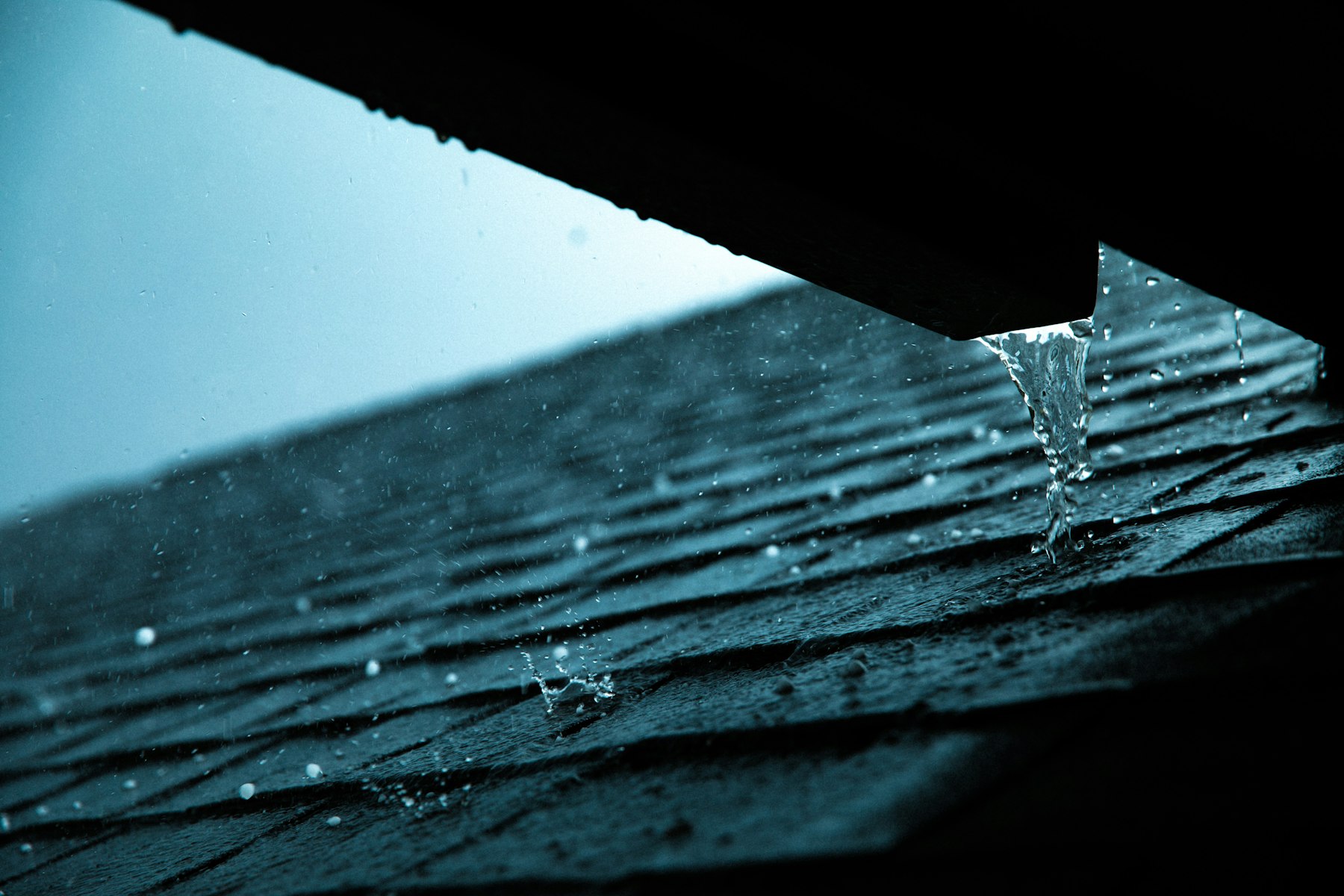
If it feels like it has rained on half the days in Nashville this June, you're not imagining it. The wet pattern has been persistent across Middle Tennessee, and the forecast keeps adding more. That's worth a homeowner's attention — not because the sky is falling, but because repeated rain is the single best test of whether your roof is actually in good shape. A roof can look fine from the curb and still let water in once it gets soaked day after day.
Here's a plain-English look at what the recent weather has been doing, why steady rain matters more than people expect, and the handful of things you can safely check yourself.
What the weather has actually been doing
The numbers back up the feel of it. As of the National Weather Service's June 15 climate report for Nashville, the area had already picked up 2.21 inches of rain for the month — running ahead of the normal 1.98 inches to that point — including 0.56 inches in a single day. Then the NWS Nashville forecast discussion on June 16 flagged that higher rain and storm chances were returning Thursday into Friday, with heavy rainfall possible and a 40–50% chance of more than two inches across the southeast half of the area. The June 17 forecast kept showers and thunderstorms likely on Thursday at around a 60% chance.
Translation: we've had a wet first half of June, and the back half is lining up to add more. That kind of repeated soaking is exactly the condition that exposes a tired roof.
Why repeated rain matters more than one big storm
A single downpour hits hard and moves on. A wet pattern is different — it keeps surfaces saturated, never gives materials a chance to fully dry, and pushes water into every seam, nail hole, and worn spot over and over. Small defects that would shrug off one shower start to leak when they're tested for the tenth day in a row. Here's where that plays out on a typical Middle Tennessee home.
Clogged or overwhelmed gutters
Spring pollen, seed pods, and leftover debris clog gutters fast this time of year. When water can't drain, it backs up under the first row of shingles and spills over the edge against your fascia and foundation. Weeks of rain turn a half-clogged gutter into a steady source of trouble.
Lifted, curled, or missing shingles
Shingles that are slightly lifted from wind or age still shed a quick rain. Under a sustained soaking, wind-driven water works under them and reaches the underlayment. If you've had any wind with these storms — and we have — that's a common way a roof that "looked fine" starts to weep.
Flashing and pipe boots
The metal flashing around chimneys, walls, and valleys, and the rubber boots around plumbing vent pipes, are the most common leak points on almost any roof. Boots dry-rot and crack with age; flashing loosens or rusts. They often hold up against light rain and fail once water is pushing at them for days.
Attic moisture and slow leaks
The leaks that cause the most expensive damage are the ones you don't see for weeks. Water can travel along rafters and decking far from where it entered, soaking insulation and feeding mold before a stain ever shows up on your ceiling. A wet stretch like this is when those slow leaks finally make themselves known.
What you can safely check from the ground
You don't need to climb up — and during wet weather, please don't. A wet roof is dangerous and a ladder on soft ground is worse. Almost everything useful can be checked with your feet on the ground:
- Look up at the roofline from the yard. Scan for shingles that look lifted, curled, dark/patchy, or simply missing. Granules washing into gutters and downspout splash areas are another sign of wear.
- Watch your gutters during rain. Water sheeting over the front edge instead of running to the downspouts means they're clogged or undersized for the volume.
- Check ceilings and upper walls inside for new spots, ring stains, bubbling paint, or a musty smell — especially in closets and corners of upstairs rooms.
- Peek in the attic with a flashlight (only if it's safe and easy to access). Look for damp insulation, water tracks on the wood, or daylight where there shouldn't be any.
- Look around chimneys and vents from the ground for obvious gaps, rust, or missing sealant at the flashing.
When it's worth requesting an inspection
If you spot any of the signs above, or if your roof is more than about 12–15 years old and has been through this wet stretch, it's worth having a professional take a documented look. The same goes if you've had recent wind or hail, or if you just want peace of mind before the next round of storms. A good inspection is photo-by-photo: you should come away knowing the true condition of your roof, with images — not a vague verdict.
There's no downside to checking early. The cheapest roof problem is the one caught while it's still a $200 boot or a cleaned gutter, not after water has been running into your attic for a month.
Get a free, no-pressure roof check
We'll come out, document your roof's condition photo-by-photo, and tell you honestly whether it needs anything. No scare tactics — just a clear answer. Send a few details and we'll reach out.
Not ready to call? You can also tap the chat button in the corner and answer a few quick questions — it sends the same request straight to our team.
Weather context & sources
- NWS Nashville Area Forecast Discussion, June 16, 2026 — higher rain/storm chances returning Thursday–Friday; heavy rainfall possible; 40–50% chance of exceeding 2 inches across the southeast half of the area. forecast.weather.gov (AFD)
- NWS Daily Climate Report for Nashville, June 15, 2026 — 0.56 in. precipitation the prior day; 2.21 in. month-to-date vs. 1.98 in. normal. forecast.weather.gov (CLI)
- NWS Nashville point forecast, June 17, 2026 — showers/thunderstorms likely Thursday, ~60% chance, new rainfall of a quarter to half inch possible. forecast.weather.gov (point forecast)